Wondering if Napa County could be your first real estate investment market? You are not alone. Many buyers are drawn to the area’s strong long-term appeal, but the local rules, seasonality, and property mix can make it hard to know where to begin. This guide will help you understand what makes investing in Napa County different, which strategies may fit best, and what due diligence matters most before you buy. Let’s dive in.
Why Napa County feels different
Napa County is a relatively small market with an estimated 132,727 residents as of July 1, 2024, and a median household income of $111,471 based on the 2020-2024 ACS. That matters because you are not just investing in a typical residential market. You are also investing in a place shaped by tourism, land-use policy, and long-term housing constraints. According to the U.S. Census Bureau, those local fundamentals create a very specific investment environment.
Tourism adds another major layer to demand. Visit Napa Valley reports that the county welcomed 3.7 million visitors in 2023, generating $2.5 billion in spending and supporting about 16,000 jobs. That kind of visitor economy can support property values and certain rental strategies, but it does not automatically mean every property will perform like a high-occupancy vacation rental.
Start with the right investment mindset
If you are new to investing in Napa County, it helps to think beyond simple cash flow projections. This is often a market where you need to weigh both cash flow and appreciation. The resident base, visitor economy, and local restrictions can all influence your returns.
In practical terms, that means a property that looks exciting on paper may not work if your plan depends on year-round short-term rental income. A better starting point is to look for properties with solid long-term utility, manageable compliance needs, and upside through improvement, better use of space, or thoughtful rental positioning.
Property types that fit Napa County
Single-family homes lead the market
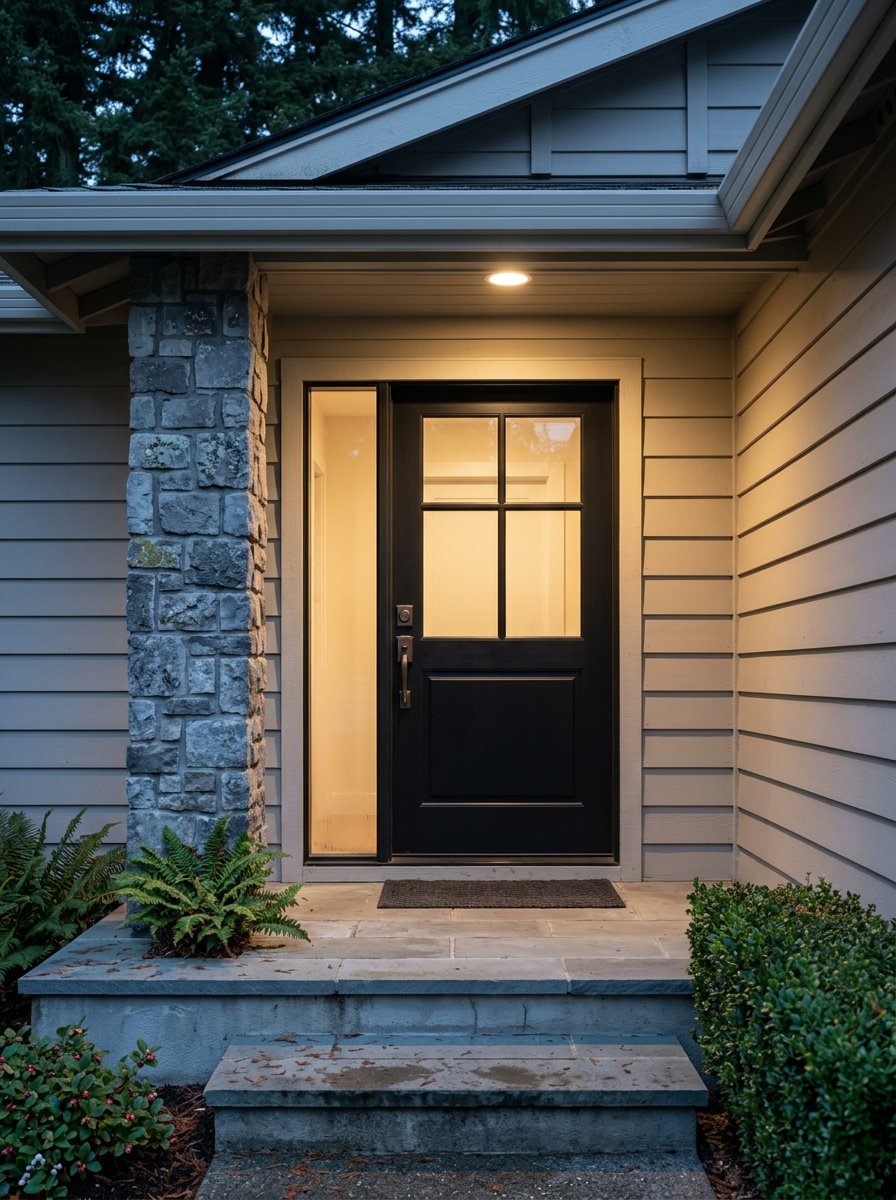
In unincorporated Napa County, detached single-family homes made up 83.1 percent of housing units in 2021, according to the county’s Housing Element. That makes single-family homes the most natural entry point for many investors.
For a first investment, this matters because the local housing stock is not dominated by large apartment buildings or dense multifamily product. You are more likely to come across single-family homes, rural or semi-rural properties, and smaller opportunities where updates, layout improvements, or added living space can create value.
Small multifamily can still make sense
The same county data shows smaller shares of attached homes, 2-to-4 unit properties, and 5-plus unit multifamily structures. So while multifamily exists, it is not the dominant product type in the market. That means smaller multifamily or townhome opportunities can be worth exploring, but you should treat them as selective opportunities rather than the default path.
If you find a well-located duplex, triplex, or townhome-style property, pay close attention to condition, zoning, and long-term rental demand. In a market like Napa County, a smaller asset with straightforward operations may be a better first purchase than a more complex property that looks cheaper upfront.
ADUs are a realistic entry strategy
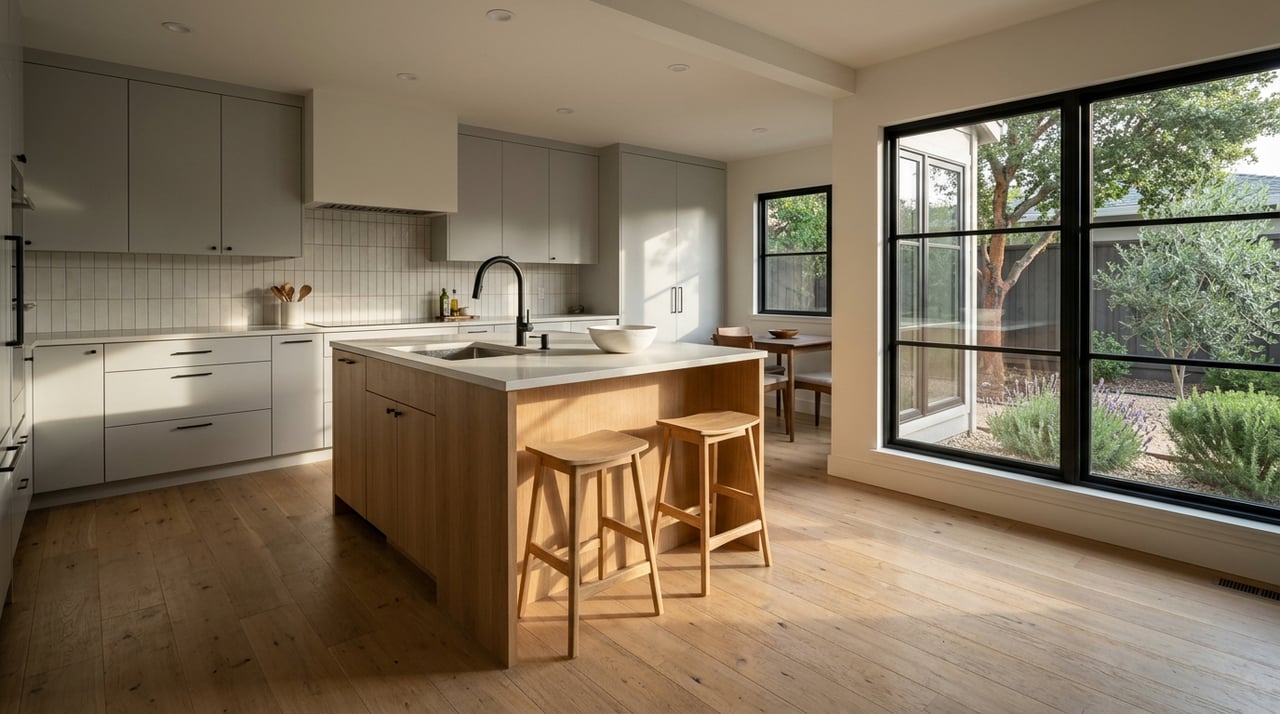
For many first-time investors, ADUs can be one of the most practical ways to add value. Napa County allows ADUs in residential, mixed-use, and agricultural zones, and they may be detached, attached, or created by converting existing space. The county’s ADU program page also notes support for some below-market ADU projects and implementation efforts tied to SB 9.
That flexibility gives you options. You might buy a property with room to add an ADU, convert existing space where allowed, or target a home that already includes a legal secondary unit. For a first-time investor, that can create a clearer value-add path than trying to force a short-term rental model in a tightly regulated market.
Short-term rentals are not a simple default
This is one of the most important things to understand before you buy. In unincorporated Napa County, transient commercial occupancies of dwelling units for fewer than 30 days are prohibited in residential and agricultural zoning districts, based on the county’s ordinance history. That means many buyers cannot simply purchase a house and use it as a standard short-term rental.
The rules are also tight in the City of Napa. The city is not accepting new vacation rental applications, and permits are capped with waitlists for both hosted and non-hosted units, as described in the county materials on short-term occupancy policy. If your entire investment plan depends on nightly rentals, Napa County may not be the easiest market for a first deal.
That does not mean there are no opportunities. It means your underwriting should be based on uses that are currently allowed, realistic, and documented before you close.
Seasonality matters in wine country
Even where tourism supports housing demand, you still need to understand the calendar. Visit Napa Valley notes that harvest season runs from August through October, and the broader peak travel window is generally May through October. Weekends, holidays, and special events often bring the strongest visitor activity.
The visitor profile also shows a leisure-heavy market, with many guests coming for weekend getaways, staying about three days, and returning repeatedly. That can create strong demand patterns during peak periods, but it can also mean softer shoulder periods than headline tourism numbers suggest.
For investors, this is a reminder to avoid overly optimistic assumptions. If you are evaluating any rental-related strategy, be conservative about occupancy, rates, and downtime.
How to underwrite a Napa County deal
A smart Napa County analysis should go further than principal and interest. You want a full picture of ownership costs, compliance risk, and market limits. In this area, missing one detail can change the economics of a deal quickly.
Here are some of the main costs and variables to review:
- Purchase price and financing terms
- Property taxes
- Insurance costs
- Repair and maintenance reserves
- Fire-related maintenance and defensible-space work
- Vacancy assumptions
- Permit or compliance costs
- Renovation scope and timeline
- Expected rental income based on allowed use, not hoped-for use
Understand property taxes early
For tax planning, Napa County explains that Proposition 13 establishes a new base-year value on a change of ownership or new construction. The county also notes that ordinary maintenance, such as painting, carpet replacement, or a roof replacement, is usually not treated as new construction.
That distinction matters if you are planning a renovation-heavy purchase. Cosmetic upgrades may improve value and rent potential without triggering the same reassessment issues as certain additions or newly constructed improvements. You should still confirm tax implications with a CPA or tax attorney before making a purchase decision.
Check fire-zone requirements before closing
Fire-related diligence is especially important in Napa County. The county states that when a property in a high or very high fire hazard severity zone is sold, the seller must provide documentation of a compliant defensible-space inspection under AB 38. The county’s AB 38 inspection page says the inspection is free, must be current within six months before the sales contract, and may require corrections if the property does not pass.
If you are comparing properties, this should be part of your review from the start. A home that appears attractive at first glance may carry added work, cost, or closing friction if fire-safety compliance issues are unresolved.
Review code history in unincorporated areas
If you are buying in unincorporated Napa County, check the property’s code history before you close. The county’s Code Compliance division advises buyers to research this because new owners can become responsible for correcting existing violations.
This is especially important for properties with additions, conversions, outbuildings, or older improvements. A bonus room, secondary structure, or past remodel may not carry the value you expect if it was not completed with proper approvals.
Best first-step strategies for new investors
Strategy 1: Buy a single-family home with upside
This is often the cleanest first move. Look for a home where you can improve condition, functionality, or market appeal over time. In a county where detached homes make up most of the housing stock, this approach fits the market better than chasing a niche strategy with more regulatory friction.
Your upside may come from thoughtful renovations, better long-term rental positioning, or resale potential in a supply-constrained area. It is not flashy, but it is often easier to understand and manage.
Strategy 2: Target a property with ADU potential
If local zoning and site conditions work, an ADU can give you another path to income or future flexibility. This can be appealing if you want to start with one property and create additional utility without taking on a larger multifamily asset.
Before you count on that upside, confirm what is currently allowed for the specific parcel. County-level ADU flexibility is helpful, but every property still needs individual review.
Strategy 3: Focus on long-term value, not quick hype
In Napa County, the strongest first investments are often the ones that respect the local rules and match the real housing stock. That may mean choosing a property with slower initial cash flow but stronger long-term durability. For many buyers, that is a more realistic path than trying to engineer a high-yield vacation rental in a restrictive environment.
A practical checklist before you buy
Before you make an offer, try to answer these questions:
- Is the property in the City of Napa or unincorporated Napa County?
- What uses are currently allowed under local zoning?
- If you plan to rent it, is that rental plan legally permitted?
- Does the property have any known code violations?
- Is it in a high or very high fire hazard severity zone?
- Will AB 38 defensible-space requirements apply to the sale?
- Does the lot support an ADU or conversion opportunity?
- How will property taxes change after purchase?
- Does your budget still work with conservative vacancy and expense assumptions?
If you can answer those questions clearly, you will already be ahead of many first-time investors.
Why local guidance matters
Napa County can reward patient, informed buyers, but it is not a market where you want to guess. The mix of tourism, property restrictions, fire-related requirements, and housing patterns means details matter. A smart purchase here usually starts with a practical plan, a realistic budget, and strong local guidance.
If you are exploring your first investment in Napa County, Merge Real Estate can help you evaluate opportunities with a clear, North Bay perspective and a pragmatic approach to investor decisions.
FAQs
Can I buy a home in Napa County and use it as a short-term rental?
- Usually not as a default strategy. In unincorporated Napa County, dwelling-unit occupancies under 30 days are prohibited in residential and agricultural zones, and the City of Napa is not accepting new vacation rental applications.
Are ADUs a good first real estate investment strategy in Napa County?
- Often yes. Napa County allows ADUs in residential, mixed-use, and agricultural zones, making them a practical value-add option for some properties.
Should first-time investors in Napa County focus on cash flow or appreciation?
- In many cases, you should evaluate both. Napa County combines a smaller residential base with a large visitor economy, so long-term appreciation and realistic cash flow both matter.
What property type is most common for investors in Napa County?
- Detached single-family homes are the most common housing type in unincorporated Napa County, so they are often the most natural place for new investors to start.
What due diligence matters most before buying an investment property in Napa County?
- Focus on zoning, allowed use, code history, property taxes, fire-zone requirements, insurance, and whether your rental or improvement plan is legally and financially realistic.