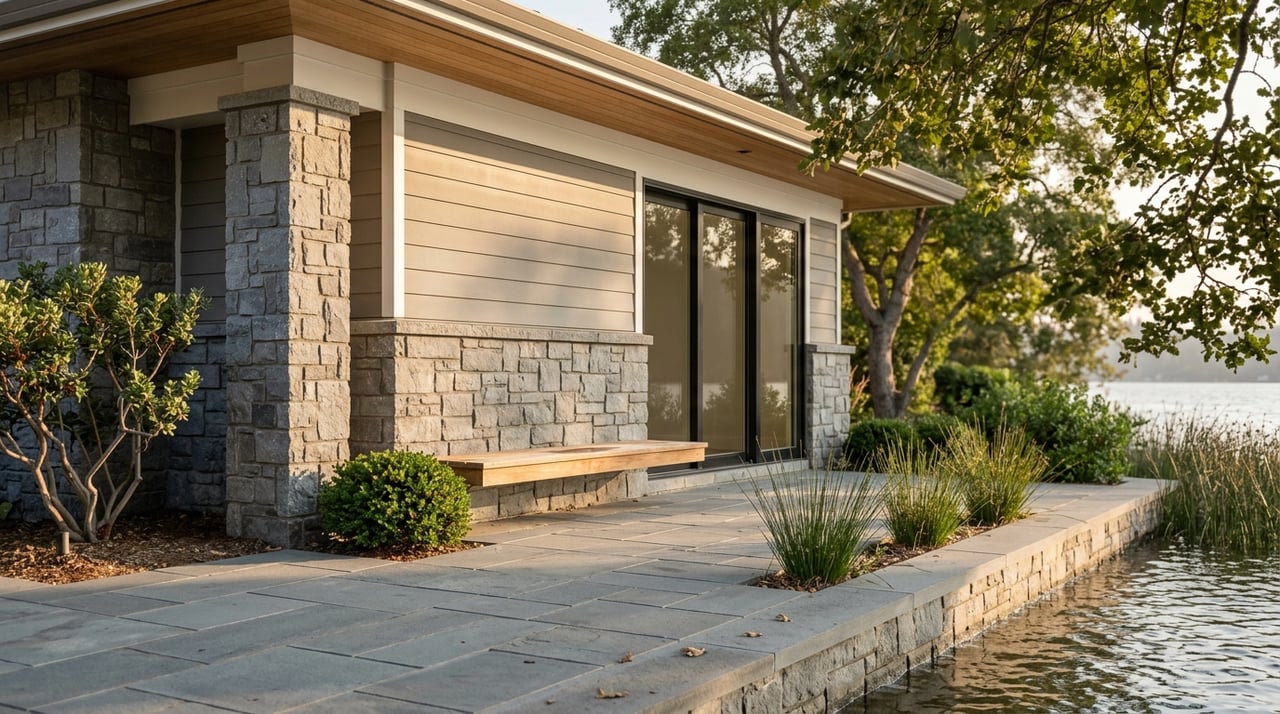
Dreaming about coffee by the water, your own dock, and easy access to boating on Clear Lake? Lakefront living in Lake County can absolutely deliver that lifestyle, but it also comes with extra questions that do not always show up in a standard home search. If you are thinking about buying on or near the water, it helps to understand pricing, shoreline rules, utility systems, and seasonal lake conditions before you make an offer. Let’s dive in.
Why Lakefront Living Draws Buyers
Clear Lake sits at the heart of Lake County’s waterfront market. According to county information, it is California’s largest natural freshwater lake, with 68 square miles of surface area, and it shapes daily life around communities on both the north and south shores.
That scale is a big part of the appeal. The lake supports boating, fishing, wildlife viewing, and other watersports, and public recreation options around the lake add to the draw for full-time residents, second-home buyers, and investors.
Lakefront living here also has a very local rhythm. County materials describe Clear Lake as shallow and warm, which helps create the recreational lifestyle many buyers want, while also making lake level and water conditions part of normal ownership decisions.
What Lakefront Lifestyle Looks Like
Buying a lakefront home in Lake County often means more than having a view. Depending on the property, you may be looking at direct shoreline access, a private dock or pier, a boat lift, or proximity to a public launch.
Public access is a meaningful part of the lifestyle too. Clear Lake State Park offers boating, fishing, swimming, camping, and a public boat launch, while Anderson Marsh State Historic Park on the southeast shore offers boating, hiking, wildlife viewing, and cultural history.
The county also maintains boat ramps and navigation aids around the lake. That said, ramp status can change with lake depth, so practical access may vary depending on season and water level.
Lakefront Home Prices in Lake County
One of the most important things to know is that waterfront pricing is not one-size-fits-all. Current lake-area listings show a wide spread by community, property condition, and access features.
Recent listing data shows median listing prices around $266,000 in Clearlake Avenues waterfront, $275,000 in Lucerne waterfront, $360,000 in Lakeport waterfront, and $423,000 in Kelseyville waterfront. For comparison, the countywide median sale price in Lake County was $318,000 in March 2026.
That tells you something important. Some shoreline properties trade above the county median, but the lakefront market still covers a broad range of budgets and property types.
What Drives Waterfront Value
In Lake County, the word waterfront does not tell the whole story. Value is often shaped by what the property actually gives you in day-to-day use.
Key factors often include:
- Shoreline rights
- Condition of the home
- Usable water access
- Views
- Existing infrastructure like docks, piers, seawalls, or boat lifts
- Whether guest units or ADUs are part of the property
- Income potential for multi-unit properties
Current listings reflect that variety. Buyers may find single-family lake houses, renovated cottages, homes with guest units, multi-unit income properties, and parcels with private launches, piers, boatlifts, and seawalls.
Shoreline Access Matters More Than You Think
Before you fall in love with a listing photo, make sure you understand what kind of access comes with the property. A home may offer private shoreline, shared beach rights, a dock, nearby public launch access, or simply a water view.
That distinction affects both lifestyle and value. If you want to boat regularly, paddle from your backyard, or keep watercraft on-site, you need to confirm the property supports that use in a practical way.
It is also smart to ask how lake level affects access at that specific address. A feature that works well in one season may be less usable in another, and the nearest county-maintained ramp may become an important backup.
Permits for Docks, Piers, and Seawalls
This is one of the biggest due diligence items for waterfront buyers in Lake County. Shoreline structures are regulated, and buyers should never assume an existing improvement is fully cleared just because it is already there.
Lake County says a lakebed encroachment permit is required before building or placing fills, retaining walls, piers, floats, boat lifts, docks, or other structures lakeward of the high-water mark. The county also explains that land lakeward of the low-water line is public trust land, with structures managed through leases and permits.
In plain terms, that means your ownership costs may include more than your mortgage, taxes, and routine upkeep. If a property has a dock, seawall, boat lift, or similar shoreline feature, you should confirm whether permits are current and whether ongoing lease or permit fees apply.
Utilities Can Be More Complex
Many lake-area properties are in rural or semi-rural settings, and utility setup can differ from what buyers expect in more urban neighborhoods. Some homes may be on sewer, while others rely on septic systems.
Lake County Environmental Health states that a site evaluation is required before a septic permit can be issued. Buyers should ask whether the home is on sewer or septic, and if septic, when the last site evaluation or inspection took place.
Water source matters too. A property may be served by a district system, a well, or a private intake from Clear Lake. County land-development staff permit and inspect wells, and the county also tracks groundwater and well-related records, making this a key part of your review.
Water Quality Should Be On Your Checklist
Lake life is fun, but water conditions should be part of your normal due diligence. In warm seasons, Lake County tests Clear Lake for cyanobacteria at more than 20 locations about every two weeks and posts warnings or danger signs when needed.
If you plan to swim, paddle, fish, or spend time near the shoreline with pets, current advisories matter. Buyers should treat seasonal water-quality monitoring as part of the ownership picture, not as an unusual issue.
Fish guidance matters as well. The county maintains mercury-in-fish guidance for Clear Lake, which is useful if fishing is one of the reasons you are considering a waterfront property.
Wildfire and Insurance Planning
In Lake County, waterfront does not cancel out wildfire risk. Fire hazard, evacuation planning, and insurance availability should all be part of your buying process.
The county’s updated fire-hazard severity-zone program covers the unincorporated area and the cities of Clearlake and Lakeport. The county also uses Genasys Protect zone numbers for evacuation alerts, which gives buyers another practical item to verify by address.
Insurance is equally important. California’s FAIR Plan remains a backstop option when standard insurance is unavailable, so buyers should get insurance quotes early rather than waiting until the end of escrow.
Questions To Ask Before You Buy
A lakefront purchase usually goes more smoothly when you ask detailed questions early. Here are some of the most useful ones to bring into your search:
- What kind of water access does this property actually have?
- If there is a dock, pier, seawall, bank stabilization, or boat lift, are the county permit or lease records current?
- Is the home on sewer or septic?
- If septic, when was the last site evaluation or inspection?
- Is the water source a district system, a well, or a private lake intake?
- How does lake level affect access at this address?
- What is the nearest county-maintained ramp or launch?
- What fire-hazard zone applies to the parcel?
- What evacuation zone number applies to the address?
- What insurance options are currently available?
- Are there current cyanobacteria, algae, or fish-consumption considerations for this area?
These answers help you understand not just the home, but how the property will function for your lifestyle and budget.
How To Evaluate a Lakefront Opportunity
When you tour lakefront homes in Lake County, try to look beyond the view for a moment. A beautiful setting can absolutely be worth paying for, but long-term satisfaction usually comes from a mix of access, infrastructure, and manageable risk.
A practical evaluation often includes four big buckets:
Access and Use
Can you actually use the lake the way you want to? Think about shoreline setup, launch access, seasonal conditions, and whether the property supports boating, paddling, or fishing the way you picture it.
Permits and Compliance
If improvements extend toward the lake, confirm they are properly permitted or leased where required. This is especially important for docks, lifts, seawalls, and other shoreline structures.
Utilities and Systems
Understand how the home handles wastewater and water supply. Septic, wells, and private intakes can all be workable, but they need careful review.
Resilience and Ongoing Costs
Factor in wildfire planning, insurance, seasonal water-quality monitoring, and any ongoing fees tied to shoreline structures. These items are not side issues in Lake County lakefront ownership. They are part of the full cost and experience.
The Bottom Line on Buying Lakefront in Lake County
Lakefront living in Lake County offers a lifestyle that is hard to replicate. You get direct access to one of the region’s defining natural features, a wide range of home types and price points, and a strong connection to boating, fishing, and outdoor recreation.
At the same time, the smartest buyers know the real decision is not just about the view. It is about understanding access, permits, utilities, water conditions, wildfire planning, and the real-world costs of owning shoreline property.
If you want practical guidance as you compare waterfront homes, acreage, or other North Bay properties, Merge Real Estate can help you navigate the details with a clear, local approach.
FAQs
What makes Clear Lake different from other waterfront markets in Lake County?
- Clear Lake is the center of Lake County’s lakefront market and is described by the county as California’s largest natural freshwater lake, with recreation, shoreline rules, and seasonal water monitoring all shaping ownership.
What should buyers ask about docks and shoreline structures in Lake County?
- Buyers should ask whether any dock, pier, boat lift, seawall, or bank stabilization has current county permits or leases, since structures lakeward of the high-water mark are regulated.
What utility issues matter for lakefront homes in Lake County?
- Buyers should confirm whether a home is on sewer or septic and whether water comes from a district system, a well, or a private lake intake, because many lake-area properties are rural or semi-rural.
What water-quality concerns should buyers know about at Clear Lake?
- Lake County monitors Clear Lake for cyanobacteria during warm seasons and posts warnings when needed, so swimming, paddling, fishing, and pet safety should all be evaluated with current advisories in mind.
What insurance and wildfire questions should buyers ask in Lake County?
- Buyers should verify the parcel’s fire-hazard zone, evacuation zone number, and current insurance options early in the process, since wildfire planning and coverage availability are key parts of due diligence.
Are Lake County waterfront homes always more expensive than the county average?
- Not always. Waterfront homes often list above the countywide median sale price, but current listings show a wide range depending on location, condition, access, and existing shoreline infrastructure.