Thinking about trading city bustle for wine-country ease without losing access to jobs and services? Sonoma County blends small-town charm, outdoor access, and a serious food and wine scene with practical commuting routes to Marin and San Rafael. You want a clear picture of daily life, housing options, seasons, and what to expect with things like wildfire planning and utilities. This guide walks you through the towns, homes, lifestyle, and logistics so you can decide with confidence. Let’s dive in.
Where Sonoma County Fits in the Bay Area
Sonoma County sits just north of Marin County and San Rafael, forming the North Bay’s inland and coastal half. It has about half a million residents spread across urban centers, rural valleys, redwood corridors, and a dramatic coastline. You get a Mediterranean climate with warm, dry summers and cool, wet winters. Coastal towns are cooler and foggier, while inland valleys see warmer days and cooler nights.
Towns and what they feel like
Santa Rosa
As the largest city and county seat, Santa Rosa is the services hub with hospitals, shopping, cultural venues, and many job centers. Neighborhoods range from older downtown pockets to newer subdivisions and infill. It suits buyers who want more housing variety and access to countywide services.
Petaluma
Petaluma’s historic downtown and proximity to US‑101 make it a favorite for North Bay commuters. You’ll find Victorian-era streets, boutique shops, and a strong dining scene. It is popular with people who value shorter drives to Marin and San Francisco corridors.
Sonoma (the town)
Centered on a historic plaza, Sonoma offers walkable streets with tasting rooms and restaurants. Tourism is part of daily life, especially in warmer months. Buyers often choose it for a small-town, wine-country atmosphere.
Healdsburg
Healdsburg is a high-end hub for tasting and destination dining in the Dry Creek and Alexander Valley area. Expect a premium wine-country experience. It attracts buyers looking for upscale amenities.
Sebastopol
West of Santa Rosa, Sebastopol blends small-town living with arts, maker culture, and nearby agriculture. Farmers markets are part of the rhythm here. It appeals to creative buyers and small-farm hobbyists.
Windsor and Rohnert Park
These communities feature newer subdivisions and planned neighborhoods. Rohnert Park is home to Sonoma State University, and Windsor has newer retail and community amenities. They are often chosen by buyers seeking newer housing with convenient services.
Russian River (Guerneville, Monte Rio)
Along the redwoods and river, the vibe is relaxed with a notable summer tourism season. Many properties here function as second homes or vacation rentals. It’s a fit if you value river recreation and a slower pace.
Coastal towns (Bodega Bay, Jenner)
These fishing and seaside communities offer cool weather, coastal trails, and a quieter lifestyle. Tourism is seasonal and modest. It suits buyers who want ocean views and marine culture.
Cloverdale and northern towns
At the entry to northern wine valleys, you’ll find larger rural parcels and vineyard properties. Life is more small-town and agricultural. Buyers often come for acreage or potential vineyard ownership.
Homes and what you’ll find
You’ll see a wide range of home styles:
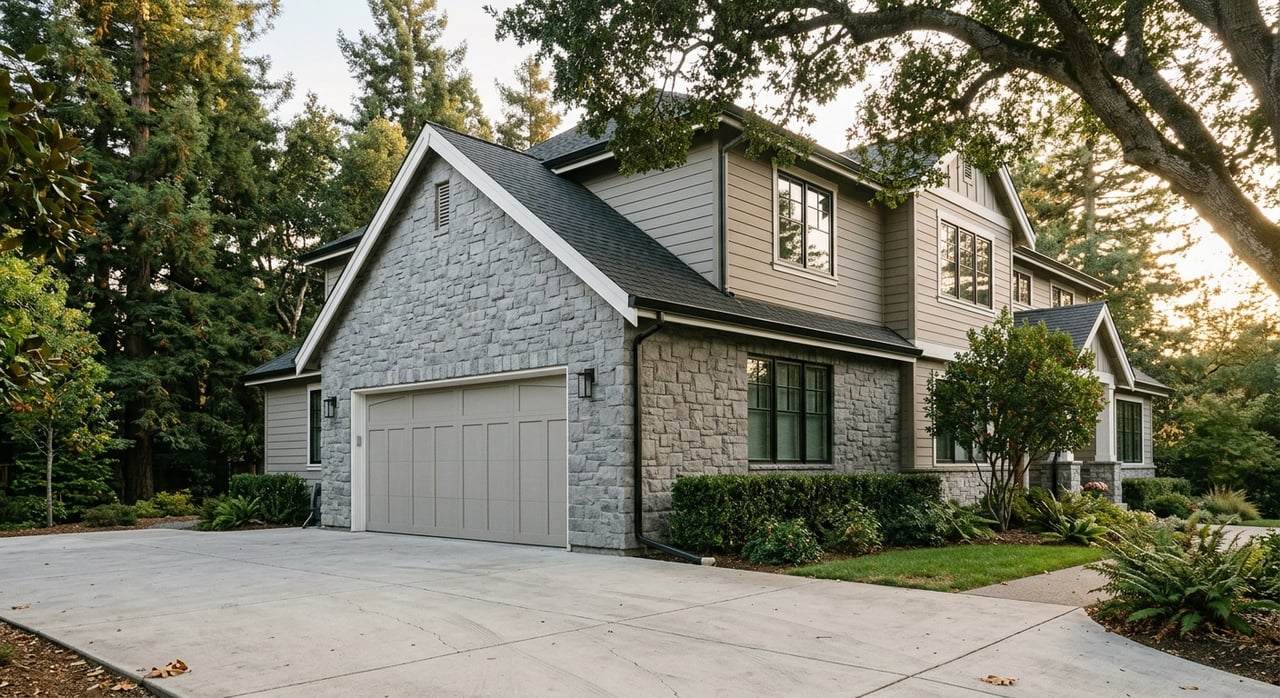
- Post‑war ranches, mid‑century homes, and newer tract houses in city and suburban areas
- Historic Victorian and Craftsman homes around older downtowns like Petaluma, Sonoma, and parts of Santa Rosa
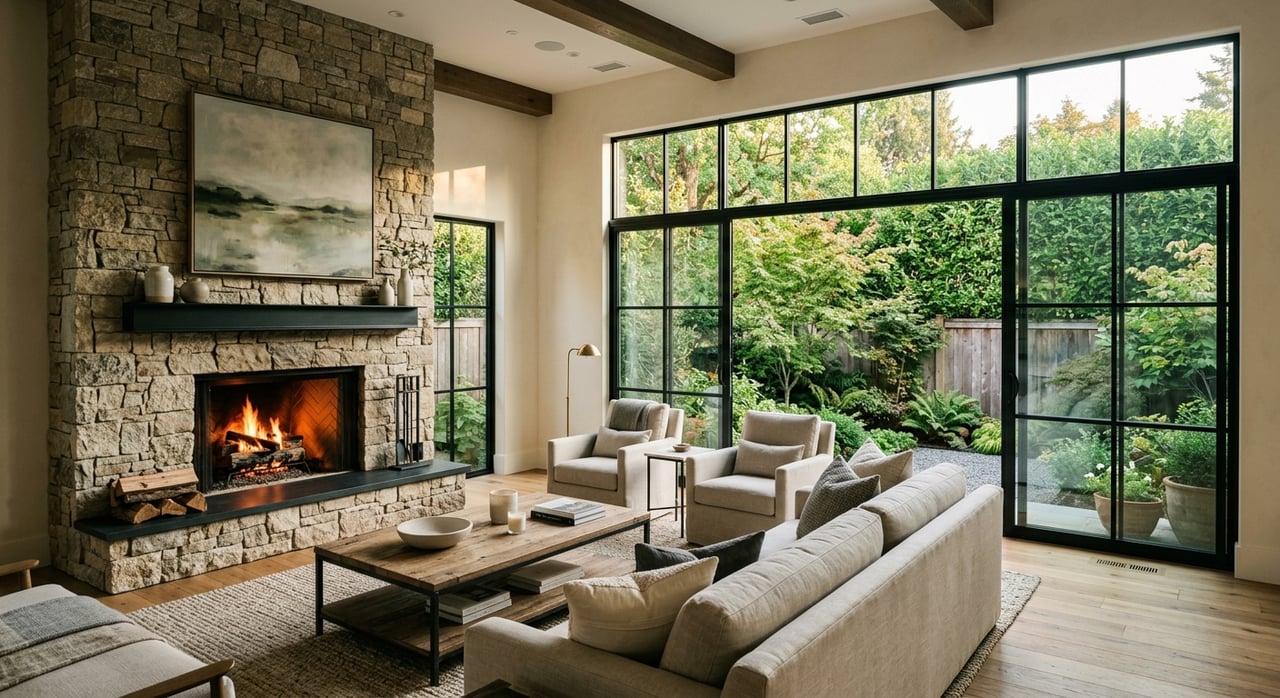
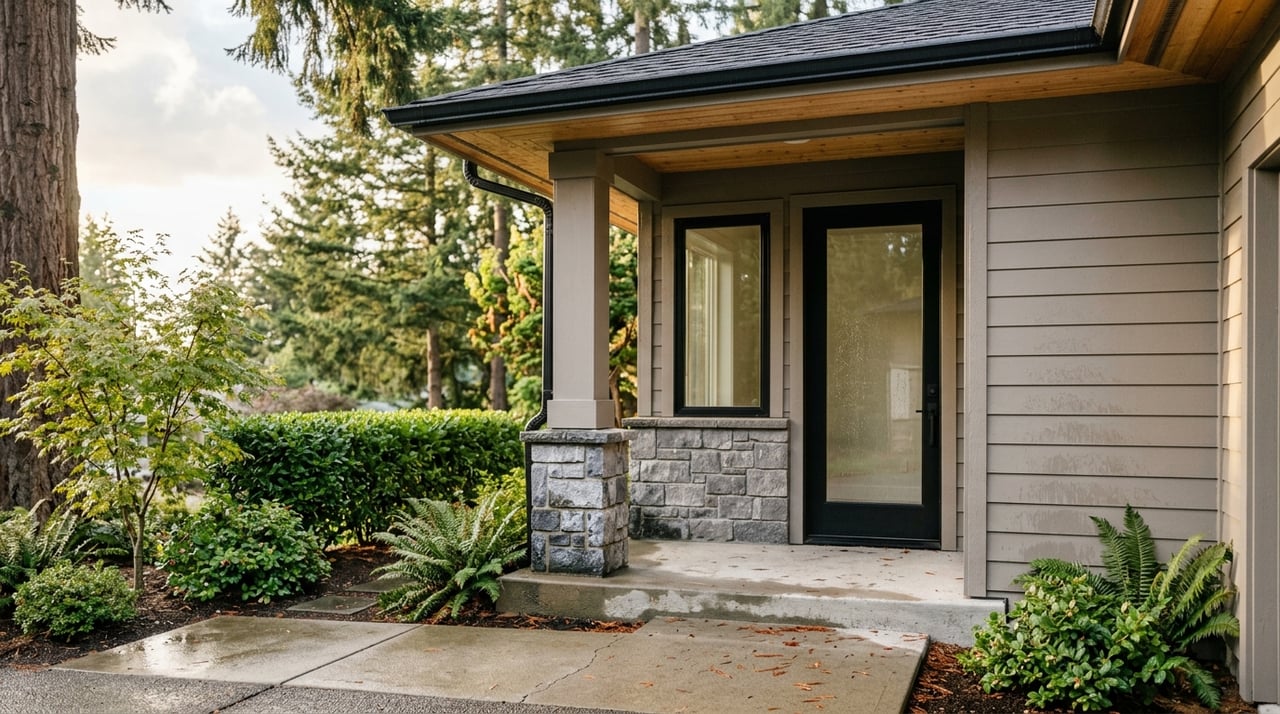
- Ranch-style homes and country cottages on larger lots outside city centers
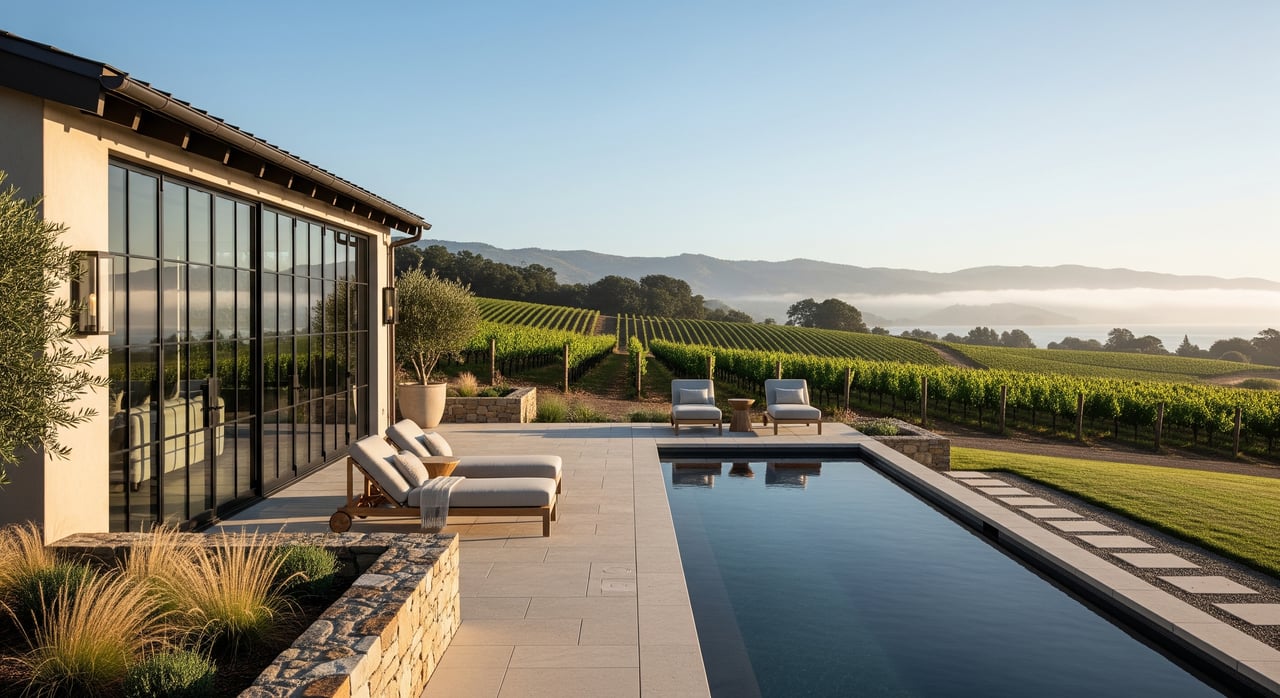
- Vineyard estates and agricultural properties, from hobby farms to commercial operations
- Condos and townhomes near denser areas and transit corridors
- Increasing use of ADUs as statewide rules have evolved
Lot sizes vary from modest urban parcels to rural acreage with agricultural zoning. Overall prices are generally lower than core San Francisco neighborhoods, yet higher than many inland counties. Markets differ by town, with Healdsburg and parts of Sonoma Valley carrying a wine and tourism premium, while some northern or inland areas offer relatively more approachable options. Rental demand is strong in commuter corridors and seasonal in tourist areas.
Daily life and lifestyle
Food and wine
Wine is central here, with well-known AVAs like Russian River Valley, Sonoma Valley, Dry Creek, and Alexander Valley. You’ll have hundreds of wineries and tasting rooms, plus craft breweries, distilleries, and cideries. The farm-to-table scene is strong, and you’ll find everything from casual seafood shacks on the coast to Michelin-recognized dining in Healdsburg and Sonoma.
Outdoor recreation
Expect easy access to hiking in redwood groves, coastal beaches and tide pools, river kayaking and swimming, and miles of cycling routes. Rural areas offer equestrian trails and hobby farming. Organized events like century rides and county fairs add to the calendar.
Arts, events, and seasons
Local theaters, galleries, and music venues create a steady calendar of performances. Peak tourism runs late spring through early fall, with harvest activity from late summer through October. Winters are wetter and quieter, which many residents appreciate after a busy season.
Commuting to San Rafael and beyond
US‑101 is the main north-south artery, with traffic that spikes during commute windows and peak tourism. The SMART rail connects portions of Sonoma and Marin counties and links to ferry service for some commuters. If you work in San Rafael or farther south, southern towns like Petaluma, Rohnert Park, and Windsor offer shorter drives to Marin.
Try a quick commute check:
- Drive your route at your actual commute time on a weekday and a weekend.
- Test SMART plus ferry if that could work for you.
- Note any summer tourism bottlenecks near downtowns or popular wine areas.
Practical things you should know
Schools and healthcare
Sonoma County has multiple public school districts, charter and private options, and Sonoma State University in Rohnert Park. School quality varies by district, so families typically compare local performance and enrollment policies. Major healthcare systems operate hospitals and clinics, with Santa Rosa serving as a medical hub.
Wildfire, insurance, and power
Late summer and fall can bring wildfire risk and smoke events in parts of the county. Many properties fall within mapped high or very-high fire-risk zones, so defensible space and ember-resistant features are common topics during inspections. Insurance availability and costs have shifted in recent years, and some areas have experienced public-safety power shutoffs, making solar and batteries more popular.
Water, septic, and utilities
Most in-city homes have municipal water and sewer. Many rural properties rely on wells and septic systems, so inspections are important to understand condition and capacity. Agricultural and vineyard parcels may have separate water rights or irrigation setups that require careful review.
Inspections and disclosures
Local transactions often include inspections for wildfire vulnerabilities, foundations, septic and wells, and pests. Sellers must disclose known hazards and material facts, and buyers should read disclosures carefully. In high-demand micro-markets, strong presentation and pricing matter; in quieter areas, strategy and preparation can make a real difference.
Is Sonoma County right for you?
If you want wine-country character with real daily conveniences, Sonoma County delivers. You can choose between urban amenities in Santa Rosa, commuter access in Petaluma and Rohnert Park, small-town charm in Sonoma, upscale experiences in Healdsburg, or coastal calm in Bodega Bay and Jenner. The lifestyle is active and outdoorsy, the dining is excellent, and the seasons bring a clear rhythm to life.
When you are ready to explore homes, compare towns, or prep a listing, connect with a local team that understands both the romance and the practical work of buying and selling here. Reach out to Merge Real Estate for clear guidance and polished marketing that help you move with confidence.
FAQs
How expensive is housing in Sonoma County?
- Relative to the national average it is generally higher, but often less than core San Francisco neighborhoods, with a wide range from modest homes to multi-million-dollar estate vineyards.
Which Sonoma County towns are best for commuting to San Rafael?
- Southern towns like Petaluma, Rohnert Park, and Windsor offer shorter drives to Marin, and SMART rail can help some commuters depending on station access and schedules.
What is wildfire season like in Sonoma County?
- Late summer through fall can include wildfire risk and smoke; many owners maintain defensible space, check insurance early, and prepare for potential power shutoffs.
What outdoor activities can I expect in Sonoma County?
- Hiking in redwoods, coastal beaches and tide pools, river kayaking and swimming, road cycling, and equestrian options are widely available across the county.
How seasonal is life in Sonoma County?
- Tourist and harvest seasons make late spring through fall busier, while winter tends to be wetter and quieter with fewer visitors and events.
Are there universities and hospitals in Sonoma County?
- Yes; Sonoma State University is in Rohnert Park, and major healthcare systems operate hospitals and clinics, with Santa Rosa serving as a regional medical center.