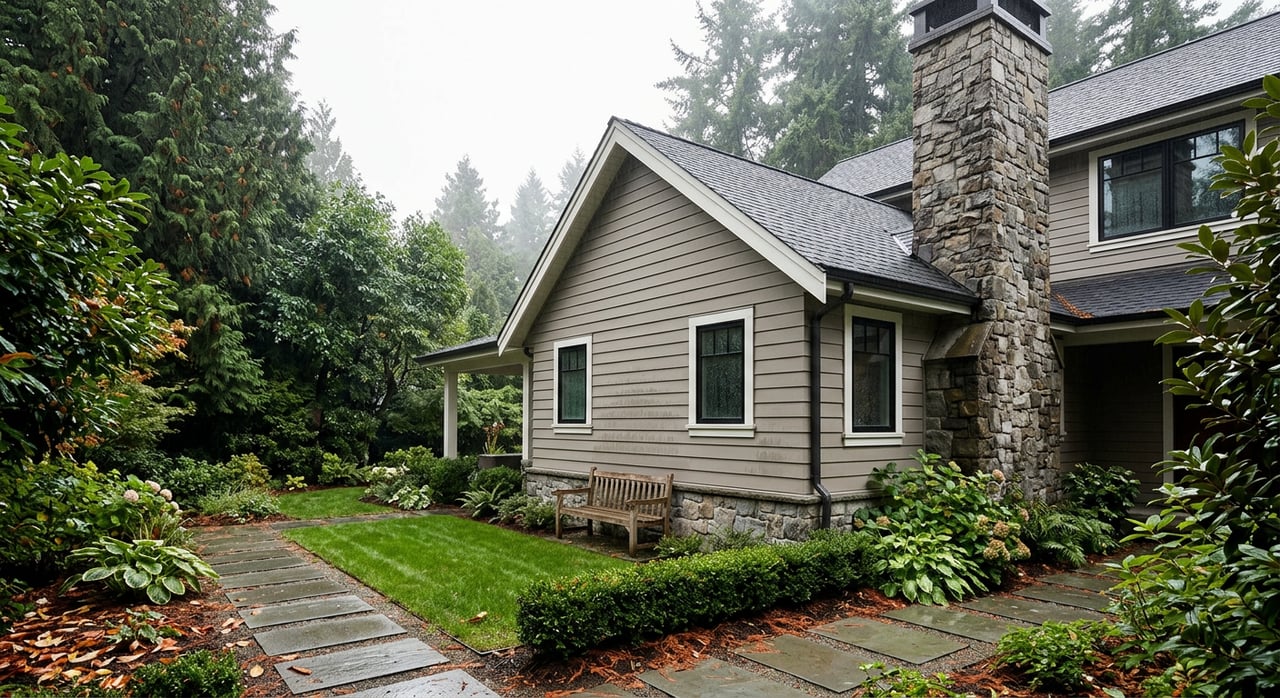
Craving ocean views but not sure about the fog? Or do you love sunny afternoons and wide-open acreage but worry about wildfire risk? If you are weighing Mendocino County’s coast against its inland valleys, you are not alone. In this guide, you will compare prices, climate, home styles, services, risks and due diligence so you can choose the lifestyle that fits your goals. Let’s dive in.
Big picture: two Mendocinos
Mendocino County covers more than 3,500 square miles of coastline, redwood forests and inland valleys. People cluster in smaller coastal towns like Mendocino village and Fort Bragg and in inland communities such as Ukiah, Willits and Anderson Valley. County demographics and housing context are available in U.S. Census QuickFacts for Mendocino County to help you frame the market at a high level. Review county QuickFacts.
Getting around is straightforward once you know the options. The Mendocino Transit Authority connects coastal and inland routes, including longer links toward Santa Rosa, and runs Dial-A-Ride in Ukiah and Fort Bragg. If you rely on public transit or need airport connections, plan your home search with route timing in mind. Check Mendocino Transit Authority service.
Market snapshot: prices and value
Countywide, typical home values vary by source and date. For example, Zillow’s county-level index shows a typical home value around $484,000 as of January 2026, while other providers place recent medians in the low-to-mid $500,000s. Use 12-month medians when possible and always note the source and date because monthly samples in small towns can swing.
The pattern is consistent across many datasets: coastal areas often carry a premium, especially in scenic villages and oceanfront stretches where views drive demand. Inland communities usually offer lower entry prices and larger lots, including agricultural parcels in places like Anderson Valley, Redwood Valley and Potter/Willits areas. If you plan to compare specific towns, ask your agent for the latest MLS or zip-level medians before you set your budget.
Climate and daily living
Coastal microclimate and maintenance
On the coast, the ocean shapes daily life. Expect cooler summers, milder winters, frequent summer-morning fog and steady breezes, especially on bluffs. Fort Bragg’s climate data highlights this maritime pattern. See Fort Bragg climate norms.
These conditions are comfortable for many buyers and great for lush gardens. They also bring extra exterior maintenance because salt air can accelerate wear on metal, paint and windows. If you are near bluffs or the shoreline, ask early about site setbacks and coastal-permit history.
Inland microclimate and outdoor life
Inland valleys bring bigger temperature swings, hotter summer afternoons and clear, dry days that suit grapes, gardens and outdoor living. Ukiah’s climate shows the warmer, Mediterranean trend you feel just a short drive from the coast. See Ukiah climate norms.
You will enjoy more consistent sun and usually larger yards or acreage. The tradeoff is heat and, in some locations, greater wildfire exposure. Many buyers plan for shade, efficient cooling and defensible space when they choose an inland home.
Home styles and land
What you see on the coast
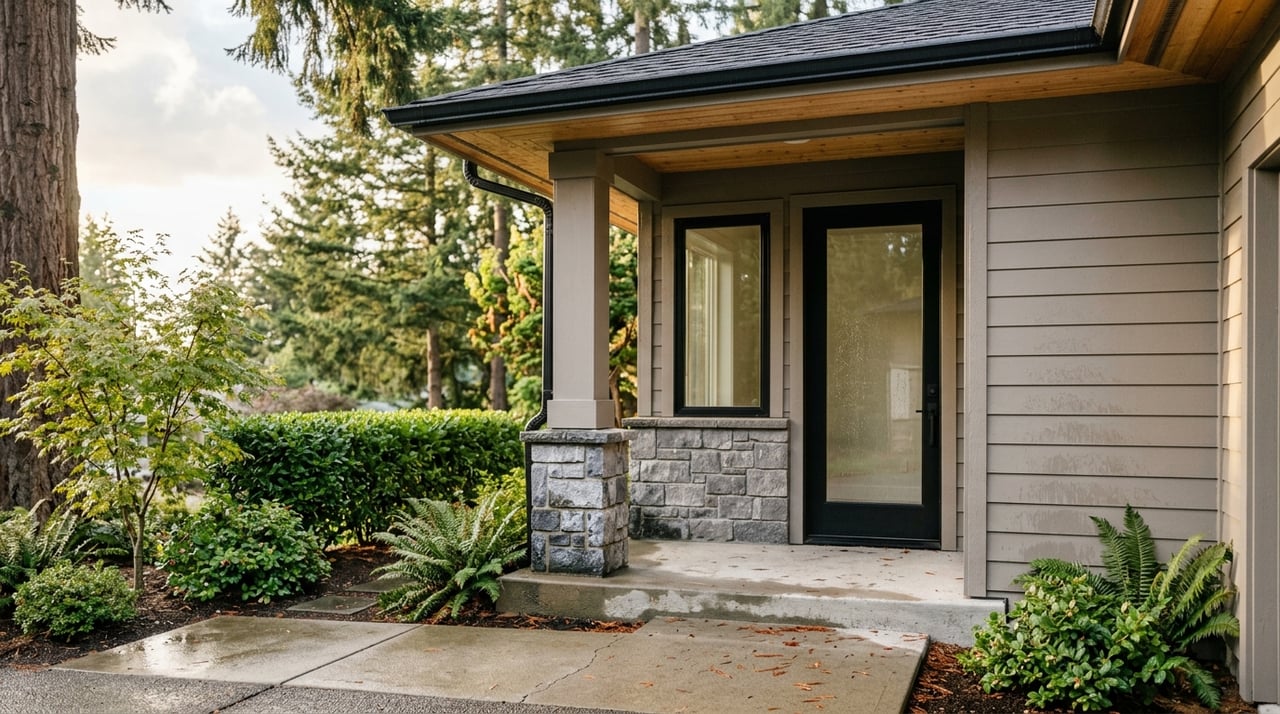
Coastal towns like Mendocino village and Fort Bragg feature Victorian cottages, turn-of-the-century homes and compact ocean-view residences. Lots are often smaller and historic character is common in village centers. Some buildings have been converted to inns or B&Bs, which adds charm and tourism energy.
What you see inland
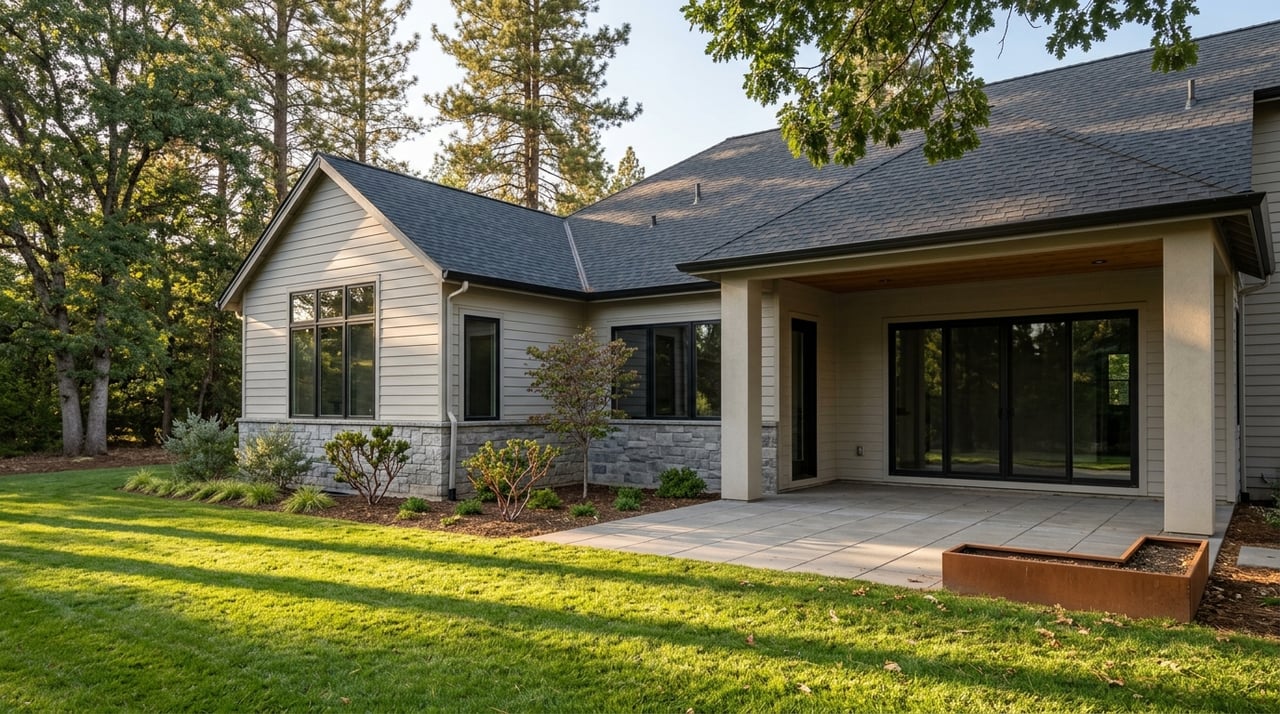
In Ukiah, Willits, Hopland and Anderson Valley, you will find ranch-style homes, farmhouses, newer suburban tracts and vineyard or ranch parcels. Acreage is more common, along with wells and septic systems. If you want room for vines, animals or a workshop, the inland valleys give you more options.
Access to services that matter
Healthcare and emergencies
The coast has a hospital in Fort Bragg for emergency services and limited inpatient care. For specialized treatment, many residents travel inland. Learn about Adventist Health Mendocino Coast.
Inland, Ukiah is the primary medical hub with a fuller range of specialists and emergency capacity. For day-to-day convenience and peace of mind, some buyers choose to live closer to Ukiah’s facilities. See Ukiah emergency department location.
Groceries, retail and errands
Coastal towns offer local markets and independent shops. For big-box retail and wider selection, many residents make trips to Ukiah or south to Sonoma County. If shopping convenience is a priority, factor drive times into your weekly routine.
Broadband and remote work
Internet availability is very location specific. Some addresses have cable or fiber, while others rely on fixed wireless or satellite. Mendocino County has an active broadband speed-test initiative highlighting uneven coverage. Always verify provider options at the exact address and run a live speed test. Read the county’s broadband update.
Risks and carrying costs to budget
Wildfire exposure and insurance
Wildfire hazard maps across California are being updated, and Mendocino County has areas with higher designated risk, especially inland. New Fire Hazard Severity Zone maps can affect building requirements and insurance availability. Check an address against the latest maps and talk to your insurer early. See reporting on updated hazard maps.
State insurance reforms and FAIR Plan changes continue to evolve, which can influence your coverage choices and costs for high-risk properties. Stay current and confirm quotes during your contingency period. Review California insurance updates.
Wells, septic and utilities
Many rural parcels, both inland and coastal, use private wells and onsite wastewater systems. You should test well water and inspect septic systems with a qualified professional, and review permit histories before you remove contingencies. California’s State Water Boards offer clear guidance for private well owners. Read well owner guidance.
Blufftop and oceanfront hazards
On parts of the Mendocino coast, bluff erosion and shoreline retreat are real factors. Blufftop properties often require geotechnical studies, careful setbacks and strict Coastal Development Permit review. If you are considering oceanfront or bluff-adjacent property, add a stability report and permit-history review to your due diligence.
Which lifestyle fits you
- Coastal living may fit you if you want daily ocean access, cooler summers, a walkable village feel and you are comfortable with a smaller local retail footprint and added exterior maintenance.
- Inland living may fit you if you want more space, acreage or agricultural uses, predictable access to hospitals and big-box stores, and generally lower purchase prices per square foot.
- Remote workers should verify wired or fixed-wireless speeds at the property, ask about backup power and be realistic about travel times to airports.
- Second-home buyers should confirm local short-term rental rules and taxes, then plan for geotechnical and coastal-permit checks if looking at blufftop or oceanfront homes.
Due diligence checklist
Use this quick list before you remove contingencies:
Confirm recent comps or 12-month medians for your exact town or zip and note the data source and date.
Run provider-level broadband checks and a live speed test at the address, including upload speed. See the county’s broadband initiative.
For coastal or blufftop parcels, order a geotechnical stability report and confirm Coastal Development Permit history and any shoreline-retreat restrictions.
For rural parcels, require a private well-water test, a septic inspection and a permit-history review. Use the State Water Boards owner guide.
Check the property against the latest CAL FIRE or OSFM Fire Hazard Severity Zone maps and verify likely homeowners-insurance options early. Read a local overview of map updates. Also track statewide insurance-policy changes. See current insurance updates.
Confirm emergency routes and realistic drive times to the hospital that matches your medical needs, then plan your evacuation and backup power strategy.
Getting started in Mendocino County
Whether you are dreaming of salt air and sea light or warm afternoons among oaks and vineyards, Mendocino County gives you strong choices. The best fit comes from pairing your budget and climate preferences with address-level checks on broadband, insurance and utilities. When you are ready to compare neighborhoods, refine your search and move quickly on a great home, connect with Merge Real Estate for grounded local guidance and a smooth transaction.
FAQs
What are the key climate differences between coastal and inland Mendocino?
- The coast is cooler with frequent fog and steady breezes, while inland valleys are hotter with larger day-night swings and drier summers; review Fort Bragg and Ukiah climate norms for examples. Fort Bragg Ukiah
Are coastal homes more expensive than inland homes in Mendocino County?
- Many datasets show a coastal premium, especially for scenic villages and ocean-view properties, while inland areas often offer lower entry prices and larger lots; confirm current medians for your target town and date before you bid.
How is internet access on the Mendocino coast or in rural inland areas?
- Service is uneven and address specific; some areas have cable or fiber, others rely on fixed wireless or satellite; always verify providers and run a speed test at the property. See the county’s broadband update.
What should I know about wells and septic when buying rural property?
- Many parcels rely on private wells and onsite wastewater systems; budget for water testing, septic inspection and a permit review during contingencies. Read well owner guidance.
How do wildfire maps and insurance changes affect buying inland?
- Updated Fire Hazard Severity Zone maps can add mitigation requirements and influence insurance availability and cost; check your address early and get quotes before removing contingencies. Map update overview Insurance updates