If you want a Bay Area lifestyle with more breathing room, Solano County deserves a closer look. Daily life here is shaped by practical commutes, easy access to open space, and a wine-country backdrop that feels more local than touristy. If you are thinking about a move, this guide will help you picture what everyday life in Solano County can actually feel like. Let’s dive in.
Solano County at a Glance
Solano County sits between San Francisco and Sacramento, which gives it a distinct rhythm. Instead of one dense downtown core, you get a network of cities connected by the I-80 corridor, along with rolling hills, waterfront areas, and farmland.
That mix matters in daily life. According to Solano Transportation Authority planning materials, about 80 percent of the county's land is preserved for open space or agricultural uses, while 96 percent of residents live in incorporated cities along the I-80 corridor. In simple terms, you can live in a city neighborhood and still stay close to open land and weekend recreation.
The county population is estimated at 455,376, and the mean travel time to work is 31.0 minutes. That gives you a useful baseline if you are comparing Solano County with other North Bay and East Bay locations.
Commutes in Solano County
For many buyers, commute patterns help shape the entire home search. In Solano County, your daily routine may revolve around highway access, regional transit, or a mix of both depending on where you work.
Solano's transportation system is built around roadways, active transportation, public transit, land use, and equity goals. That translates into several commuting options across the county instead of a one-size-fits-all pattern.
Driving Between Cities
Because most of the population is concentrated in cities along the I-80 corridor, driving is a big part of everyday mobility. That corridor ties together places like Vallejo, Fairfield, Vacaville, Benicia, and Suisun City, and it also connects residents to larger Bay Area and Sacramento job centers.
If you work in another Solano County city, the county's layout can make cross-county travel fairly straightforward compared with more fragmented regional geographies. At the same time, your actual experience will depend on your work schedule, destination, and how close you live to the main corridor.
Transit Options for Regional Travel
Public transit is a meaningful part of the lifestyle picture here. SolanoExpress provides intercity express bus service throughout the county and connects riders to BART, SF Bay Ferry, and Amtrak.
That kind of connectivity can be useful if you want options beyond driving every day. It also gives some flexibility to households with hybrid work schedules or commuters heading toward larger regional employment centers.
Train and Ferry Access
Capitol Corridor stops at Suisun-Fairfield and Fairfield-Vacaville Hannigan. The full rail corridor includes Bay Area stations such as Berkeley, Emeryville, Oakland, and San Francisco, along with Sacramento.
For waterfront commuters, the San Francisco Bay Ferry runs daily service from Vallejo to downtown San Francisco, with a published end-to-end travel time of about 60 minutes. For some buyers, that ferry connection is one of Solano County's most practical lifestyle advantages.
Local Job Centers Shape Daily Life
Not everyone in Solano County commutes out of the county. Several major employers help anchor daily life locally, which can be important if you want to cut down on travel time or stay close to home.
Travis Air Force Base is the strongest local job anchor. In 2024, Travis reported a $3.7 billion economic impact, underscoring how important it is to the county's economy.
Fairfield's major employers also point to the broader economic mix in the area. Those employers include Travis Air Force Base, the County of Solano, Fairfield-Suisun Unified School District, NorthBay Medical Center, Solano Community College, Partnership HealthPlan Healthcare, Jelly Belly, Sutter Fairfield Medical Campus, and Westamerica Bank.
Taken together, these employers show a county economy shaped by defense, government, healthcare, education, food manufacturing, and service work. For you as a buyer or seller, that can help explain why Solano County supports a range of neighborhoods, housing types, and daily routines.
Parks and Outdoor Routines
One of the easiest ways to understand Solano County is to look at how people spend weekends and evenings. Outdoor access is not an occasional bonus here. It is part of the county's identity.
Whether you like hiking, biking, birdwatching, fishing, or simple picnic outings, there are strong local options without needing to leave the county. That convenience can make a real difference in how connected you feel to where you live.
Notable Parks and Open Space
Benicia State Recreation Area includes marshland, grassy hillsides, and rocky beaches along the Carquinez Strait. It offers a waterfront setting that feels very different from inland trail systems.
Rockville Hills Regional Park in Fairfield spans 633 acres of grassland and oak woodland. If you want space for active outdoor time close to city neighborhoods, this is one of the county's notable park assets.
Rush Ranch sits at the edge of Suisun Marsh, adding another layer to the county's outdoor landscape. Patwino Worrtla Kodoi Dihi Open Space Park covers 1,500 acres along a ridgeline overlooking Suisun Valley, while Lynch Canyon offers more than 10 miles of trails across 1,039 acres.
Lake Solano adds creekside day use and camping along Putah Creek. Together, these places show how varied Solano County's outdoor settings can be, from ridgelines and marsh edges to creek corridors and waterfront views.
What This Means for Everyday Living
In some markets, outdoor recreation means planning a full day trip. In Solano County, it can be much more routine.
You might head out for a morning hike, an afternoon picnic, or a short trail outing after work without building your whole schedule around it. For buyers who want more balance between work, home, and recreation, that is a meaningful quality-of-life factor.
Wine Country Without the Crowds
Solano County also offers a quieter wine-country experience. If you enjoy tasting rooms, scenic drives, and agricultural landscapes, the county gives you access to wine areas that feel more relaxed and less built around heavy tourism.
The county has two established American Viticultural Areas, or AVAs: Suisun Valley and Solano County Green Valley. The Alcohol and Tobacco Tax and Trade Bureau defines an AVA as a delimited grape-growing region with geographic or climatic features that distinguish it from surrounding regions.
Suisun Valley Lifestyle
Suisun Valley is often described as a rustic wine-country and farming community between San Francisco and Sacramento. The local valley association notes that the area has about 10 wineries along with farm stands.
That description helps set expectations. This is not a dense entertainment district. It is a more agricultural, day-trip-oriented environment shaped by vineyards, farmland, and a slower pace.
Why Buyers Notice It
For homebuyers, wine-country access can influence lifestyle even if you are not a regular wine taster. Scenic roads, nearby farm stands, and a strong agricultural setting can make a place feel grounded and distinctive.
In Solano County, that wine-country element tends to feel woven into everyday life rather than separated into a tourism zone. That is part of what gives the area its own identity within the broader North Bay and Bay Area landscape.
Housing Character Across Solano County
Lifestyle is never just about commute maps and weekend plans. It is also about the kind of home and neighborhood setting that fits your routine.
Countywide, Solano has a 63.0 percent owner-occupied housing rate. The median owner-occupied home value is $617,700, the median monthly rent is $2,163, and the average household size is 2.8.
Those numbers point to a county with a strong ownership base and a mix of housing options. They also support what many buyers notice quickly: Solano County is not one-note.
Different Cities, Different Feel
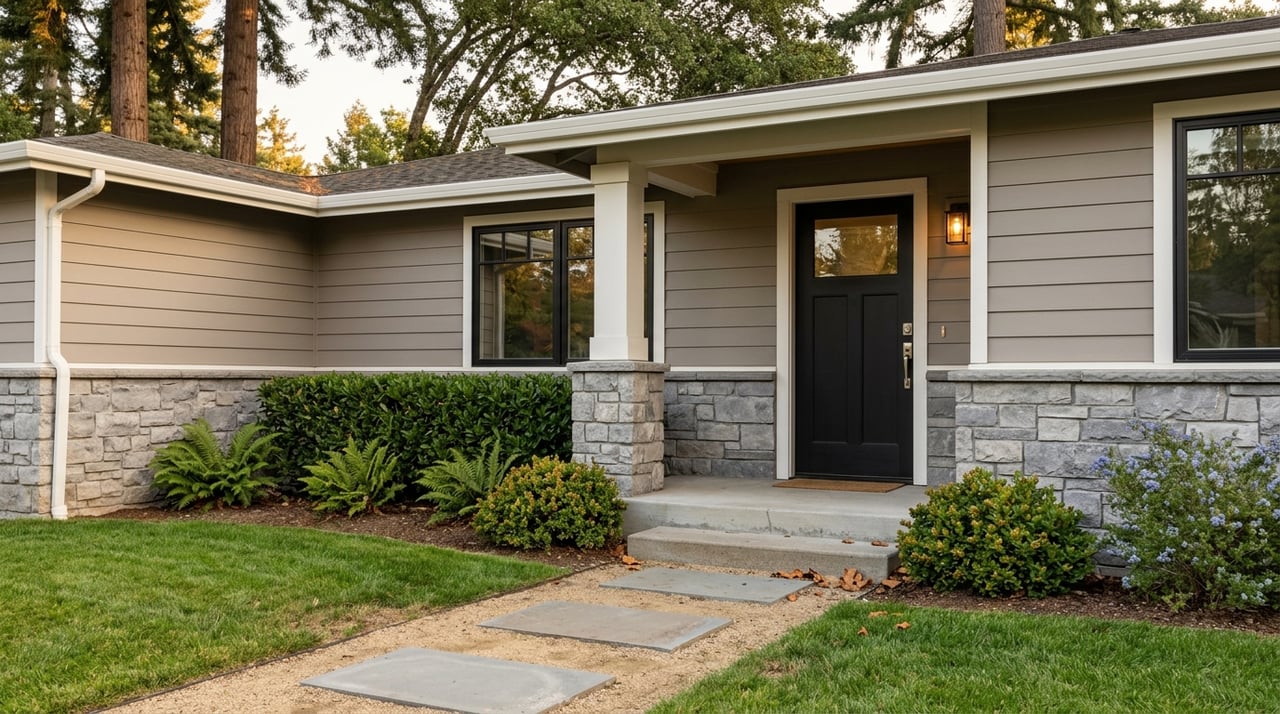
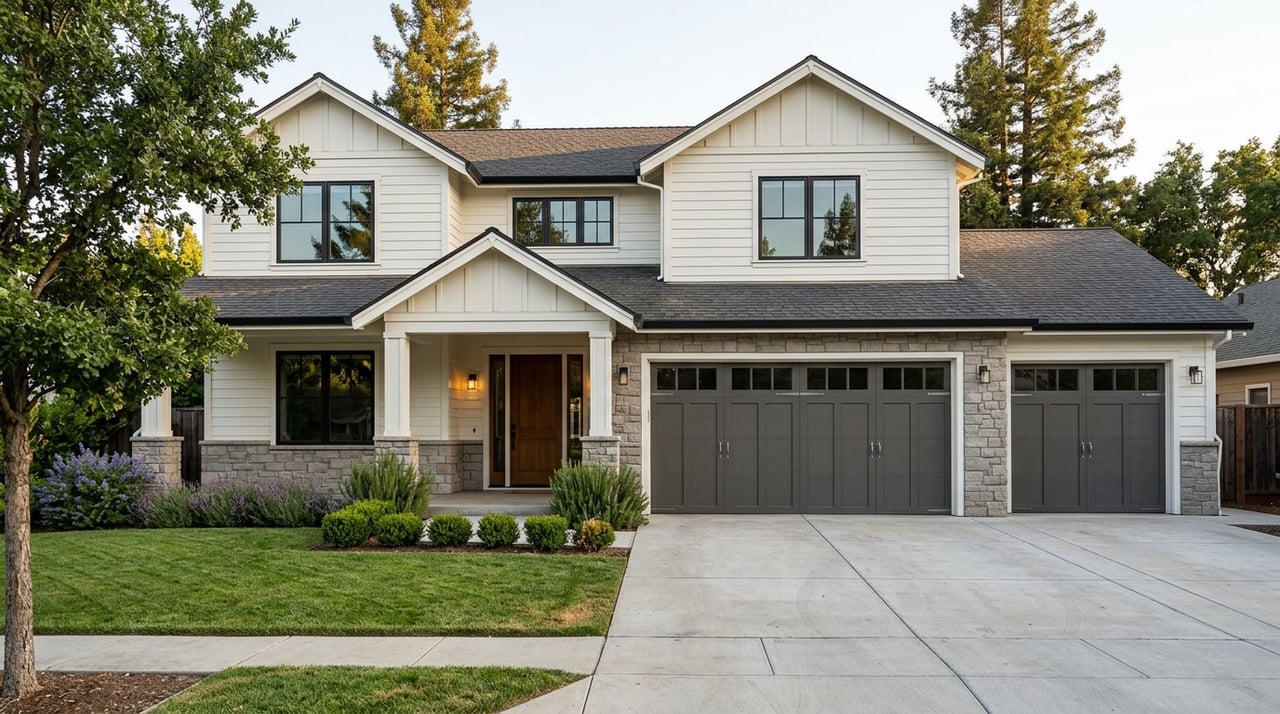
Fairfield includes estate-lot neighborhoods, standard single-family subdivisions, low-medium density subdivisions, townhomes, duplexes, and apartments near employment centers. That variety can appeal to buyers at different stages, from first-time purchasers to those looking for more space.
Benicia includes historic areas such as the Downtown and Arsenal districts, and city preservation materials highlight historic downtown cottages. If you are drawn to older architecture and established in-town settings, Benicia offers a different feel from newer suburban neighborhoods.
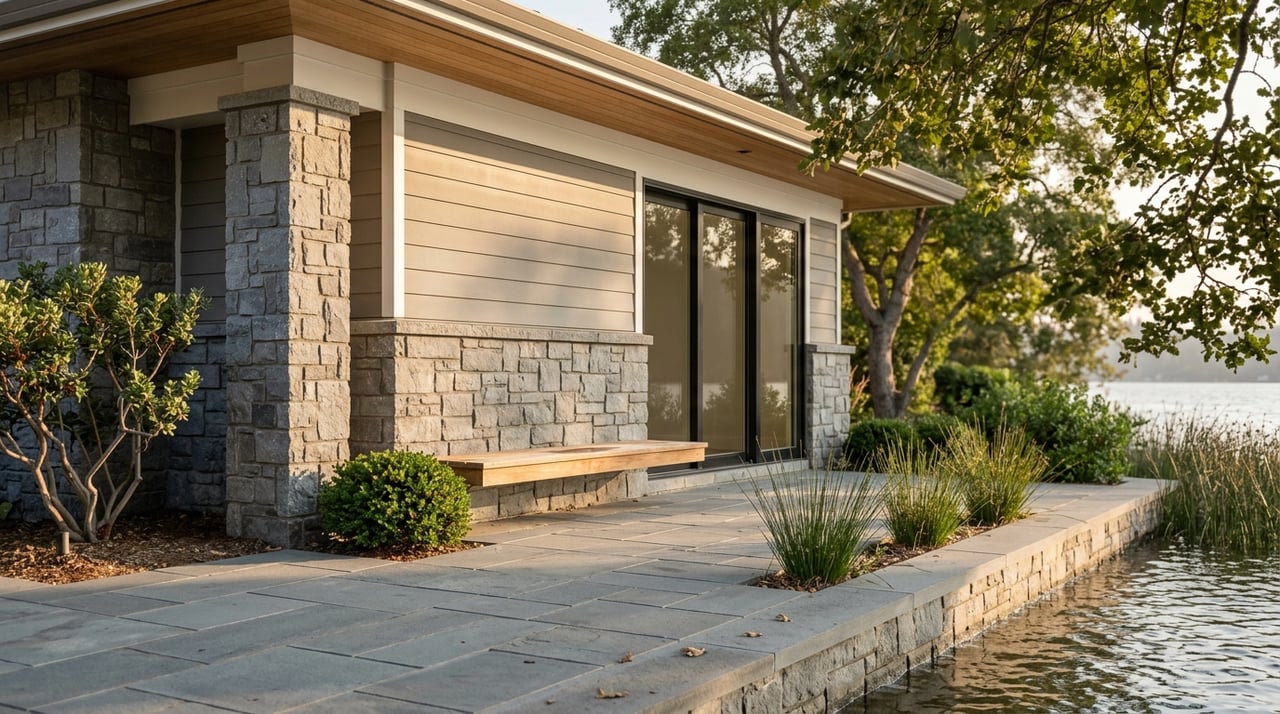
Suisun City includes a historic downtown waterfront district, historic residential neighborhoods, and newer neighborhoods such as Whispering Bay and Victorian Harbor. Vacaville's downtown plan emphasizes historic charm, a pedestrian-scaled Main Street, and quaint residential neighborhoods.
Vallejo's Mare Island planning envisions nine livable, connected neighborhoods with a wider variety of housing types. Along lower-density county edges, Fairfield policies also allow very low density estate lots and hillside homes, reinforcing the county's range from urban-adjacent neighborhoods to semi-rural settings near open space and agricultural land.
What Everyday Life Feels Like
Put it all together, and Solano County offers a blend that can be hard to find in one place. You get city-based daily convenience, multiple commute options, broad access to parks and trails, and a wine-country setting that feels usable rather than overrun.
That makes the county especially appealing if you want room to shape your routine around what matters most to you. Maybe that means ferry access to San Francisco, a local job center in Fairfield, weekends on the trails, or a home near a historic downtown or waterfront district.
The key is that Solano County supports several ways of living well. It gives you options, and in real estate, options matter.
If you are exploring homes in Solano County and want a practical, locally informed view of the market, Merge Real Estate can help you compare neighborhoods, property types, and lifestyle fit with clarity.
FAQs
What is the typical commute like in Solano County?
- Solano County has a mean travel time to work of 31.0 minutes, and many daily routines are shaped by the I-80 corridor, local driving, express bus service, rail access, and the Vallejo ferry.
What transit options are available in Solano County?
- SolanoExpress serves intercity routes across the county and connects to BART, SF Bay Ferry, and Amtrak, while Capitol Corridor stops in Suisun-Fairfield and Fairfield-Vacaville Hannigan.
What outdoor activities are common in Solano County?
- Everyday outdoor options in Solano County include hiking, biking, birdwatching, fishing, picnics, and camping at parks and open space areas such as Rockville Hills, Lynch Canyon, Benicia State Recreation Area, and Lake Solano.
What is wine country like in Solano County?
- Solano County includes the Suisun Valley and Solano County Green Valley AVAs, and Suisun Valley is known as a rustic wine-country and farming area with about 10 wineries and farm stands.
What kinds of homes are common in Solano County?
- Solano County includes a wide mix of housing, including historic cottages, waterfront-area homes, suburban subdivisions, townhomes, duplexes, apartments, and lower-density estate-lot or hillside properties in some areas.