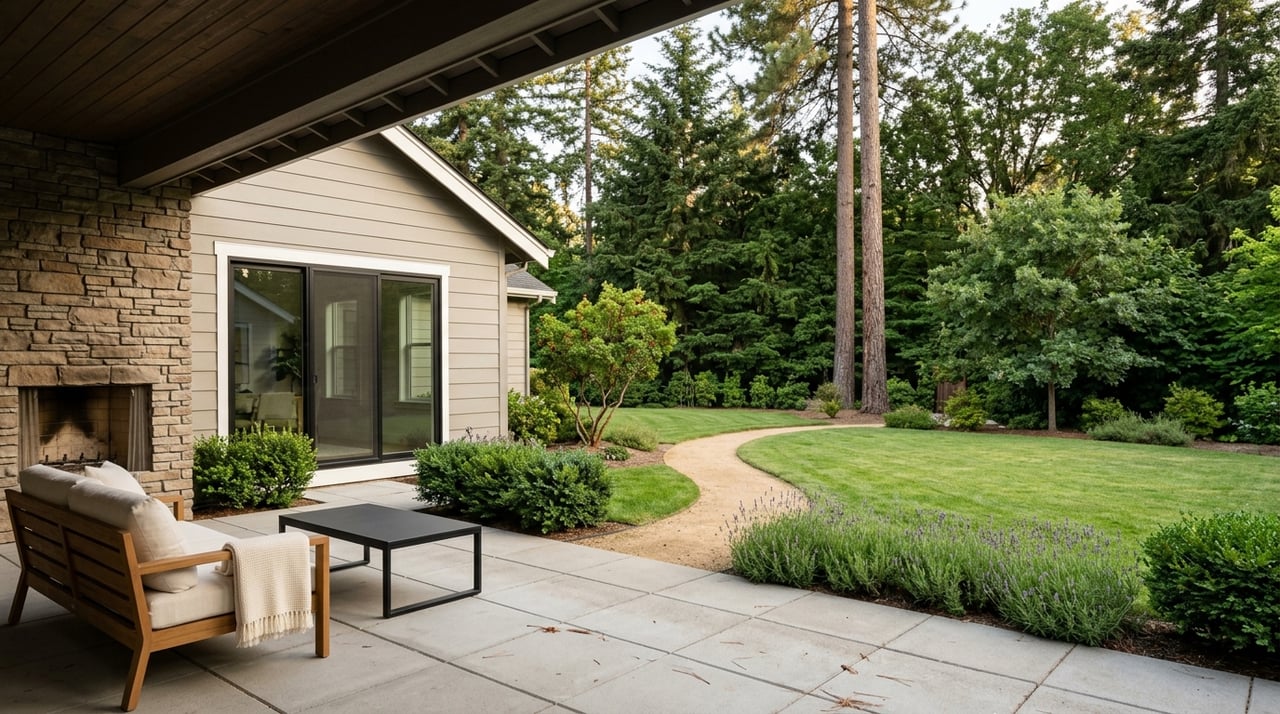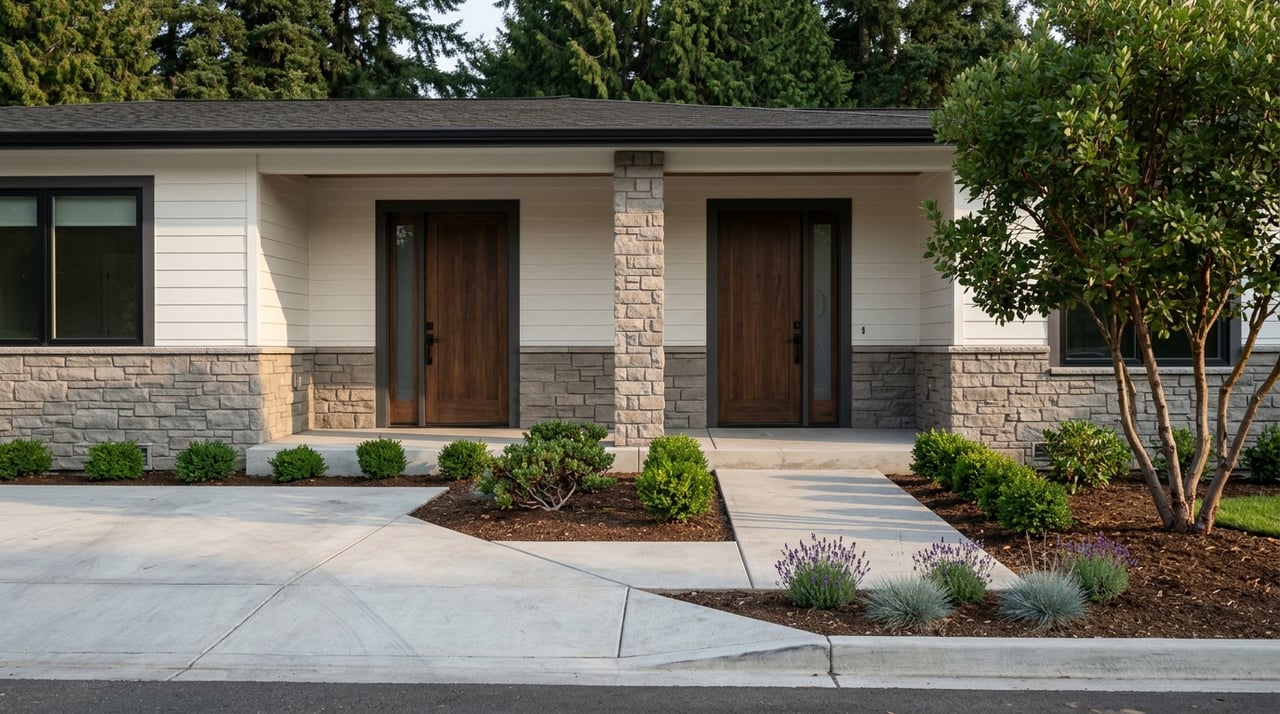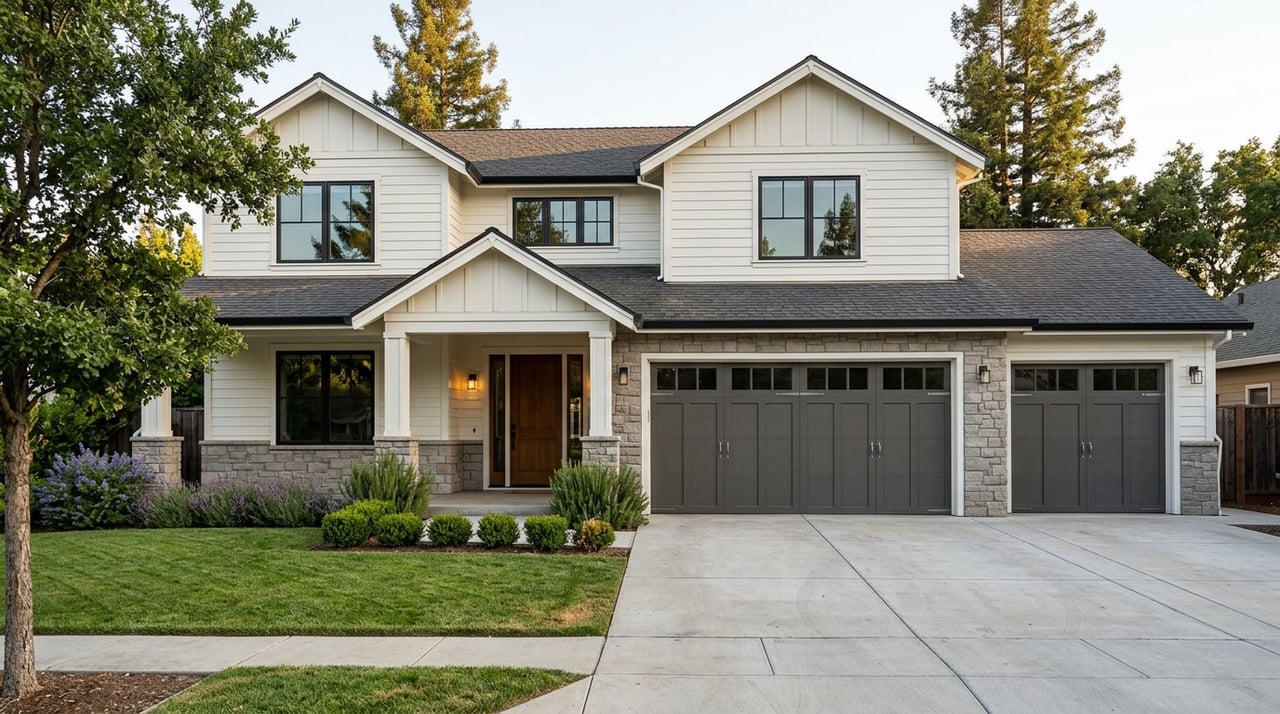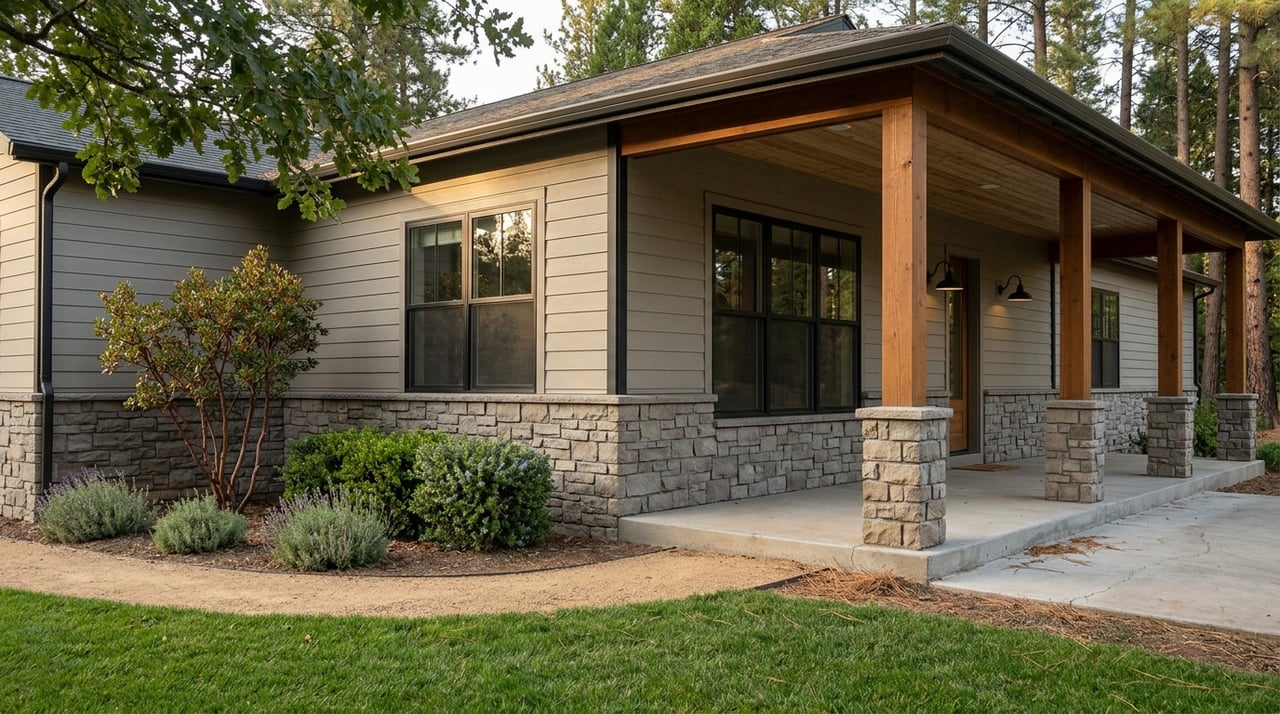
A second home in Lake County can sound simple at first: find a cabin, enjoy the weekends, maybe rent it out sometimes. In practice, the right purchase depends on how you plan to use the property, where it sits, and what local rules apply. If you want to buy with more confidence, it helps to understand Lake County’s unique mix of shoreline homes, in-town properties, and rural cabins. Let’s dive in.
Why Lake County Draws Second-Home Buyers
Lake County appeals to many North Bay and Bay Area buyers because it offers a different pace and, according to the county, more affordable real estate than the greater Bay Area and Sacramento Valley. Clear Lake and Mount Konocti also support a recreation-focused visitor market, which adds to the area’s second-home appeal.
This is not a new trend. Historical county housing data show a large share of vacant units used for seasonal, recreational, or occasional use, which suggests second-home ownership has long been part of the local housing pattern.
Start With Your Intended Use
Before you tour homes, decide what the property needs to do for you. Some buyers want a quiet personal retreat for weekends and holidays. Others want a place for family gatherings, with the option to rent it occasionally.
That decision matters because financing and ownership costs can change based on use. Fannie Mae says rental income from a second home generally cannot be used to qualify, and the loan still must meet second-home occupancy requirements. If rental income is central to your plan, you should confirm early with your lender whether the property will be treated as a true second home or an investment property.
Think in Lake County Micro-Markets
Lake County is best understood as a collection of micro-markets, not one uniform market. The county has separate area plans for shoreline communities, Cobb Mountain, Kelseyville, Lakeport, Lower Lake, Middletown, and Upper Lake-Nice, which points to meaningful differences from one area to another.
In real terms, that means a lakefront home, an in-town property, and a secluded rural cabin can come with very different tradeoffs. Your ideal setting depends on how you want to spend your time there and how much complexity you are willing to manage.
Compare the Main Property Settings
Lakefront and Shoreline Homes
Lakefront property can be the dream scenario, but it usually calls for more due diligence. County building guidance says proposed improvements on lake-abutting properties require lakebed management review, which can affect future plans for upgrades or changes.
Flood and insurance questions also matter near the water. Lake County’s hazard mitigation plan says the county participates in the National Flood Insurance Program and Community Rating System and currently has a Class 7 rating, which the county says provides a 15% flood insurance discount.
Before you get attached to the view, verify a few basics:
- Floodplain status
- Insurance availability and cost
- Dock or shoreline improvement questions
- Any review tied to lake-abutting improvements
Clear Lake is the largest natural freshwater lake in California, which helps explain both the draw and the extra review that shoreline parcels can require.
In-Town Second Homes
If you want easier access, a simpler lot, or less maintenance, an in-town property may fit better. These homes can be appealing for buyers who want a lock-and-leave setup or a second home close to local services.
Local rental rules vary by city, so your plans matter here too. In Clearlake, all residential rentals, including transitory, short-term, or long-term rentals, must be registered. Vacation homes used only by the owner and never offered for rent or lease are exempt.
Clearlake also has a Short Term Vacation Rental permit and a TOT operators registration process. In Lakeport, short-term rental of a residence to transient guests in the R-1 district requires a use permit, and a 2024 planning commission staff report said the operator also needed a business license, TOT coordination, and fire and building inspections before operation.
Secluded or Rural Cabins
A rural cabin can offer privacy and a strong getaway feel, but it often comes with more property-level due diligence. Outside town, county rules become especially important because access, utilities, and permit history may not be as straightforward.
Lake County says every parcel has zoning, some uses require permits, and buyers should verify that a parcel is a legal lot of record before building. If it is not a legal lot, a Conditional Certificate of Compliance may be required.
Rural properties also commonly depend on septic and well systems. Lake County Environmental Health evaluates soil for septic systems and permits wells, and the county says new septic or well systems need Environmental Health sign-off before a building permit can move forward.
You may also run into additional development steps, including:
- Detailed site plans for new construction
- Driveway encroachment review
- Fire-district fees
- Environmental Health review for well and septic work
Budget Beyond the Purchase Price
Second-home buyers often focus on the mortgage, down payment, and closing costs first. Those are important, but Lake County ownership costs can extend well beyond the day you close.
Property taxes are one example. The county collects property tax bills, and supplemental property taxes are issued when taxable value increases because of a change in ownership or construction. That means you should be prepared for a post-closing supplemental bill even if the seller already paid the regular annual installment.
Inspections and repair reserves also deserve extra attention. Historical county housing data point to an older housing base, which is one reason cabins and second homes may need stronger maintenance planning from the start.
Understand Wildfire and Insurance Early
In Lake County, wildfire risk is not a side issue. The county’s hazard mitigation plan says the entire planning area is at risk of wildfire, and many wildland areas and several communities are mapped in very high fire hazard severity zones.
That can affect both insurance cost and insurance availability. Wildland-urban interface areas may face higher premiums and harder coverage searches, so it is smart to explore insurance options before you remove contingencies.
If standard coverage is not available, California’s FAIR Plan remains the state’s basic fire insurance backstop. You should also think about absentee ownership risks if you will not be at the property full-time.
Lake County uses Genasys Protect zones and LakeCoAlerts for evacuation orders and warnings. The county also advises homeowners to maintain defensible space around structures before fire season.
If You Plan to Rent, Check the Rules First
Occasional rental income can make a second home more flexible, but only if the property and your plan fit local requirements. In Lake County, permit rules and tax obligations can be just as important as location.
In unincorporated Lake County, transient occupancy tax is 9% of the rental rate plus a 2.5% Tourism Improvement District assessment, and it is paid quarterly. The county’s business-property guidance also shows that short-term rental furnishings and equipment can be treated as taxable business personal property.
That means a short-term rental can create more moving parts than many buyers expect. You may need to account for:
- Local registration or permitting
- TOT collection and filing
- Business-related reporting
- Furniture, appliances, supplies, and outdoor equipment used in the rental
The county assessor’s short-term-rental property-statement form asks owners to report items such as furniture, kitchen appliances, supplies, and outdoor equipment. The assessor page also says business property statements are filed yearly, with penalties for late filing.
A Smart Buying Approach for Lake County
When you buy a second home or cabin in Lake County, the goal is not just to find a pretty property. The goal is to match the home to your actual use, budget, and risk tolerance.
A practical approach usually looks like this:
- Define whether the home is for personal use, family use, or rental use.
- Narrow the search by setting, such as lakefront, in-town, or rural.
- Review financing early if rental income is part of your plan.
- Verify local permit, zoning, and rental rules for the specific area.
- Price in insurance, maintenance, inspections, and supplemental taxes.
- Investigate well, septic, flood, or access issues before moving forward.
That kind of upfront work can help you avoid surprises and buy a property you can enjoy for years.
If you are exploring a second home or cabin in Lake County, working with a North Bay brokerage that understands rural property, local market differences, and practical transaction details can make the process much smoother. When you are ready to plan your next move, connect with Merge Real Estate.
FAQs
What should you decide before buying a second home in Lake County?
- You should decide whether the property will be used mainly for personal weekends, family gatherings, or occasional rental income, because financing and local rules can change based on that use.
What makes lakefront property in Lake County different?
- Lake-abutting properties may require lakebed management review for proposed improvements, and buyers should verify floodplain status, shoreline questions, and insurance costs early.
What should you know about rural cabins in Lake County?
- Rural cabins may require extra due diligence around zoning, legal lot status, septic, wells, site plans, driveway encroachment, and fire-district fees.
What taxes can apply to a second home purchase in Lake County?
- In addition to regular property taxes, buyers may receive supplemental property tax bills when taxable value rises because of a change in ownership or construction.
What should you know about short-term rentals in Lake County?
- Short-term rentals can involve local registration, permits, transient occupancy taxes, and yearly business property reporting, depending on whether the property is in unincorporated Lake County, Clearlake, or Lakeport.
Why is insurance such a big issue for second homes in Lake County?
- Lake County’s hazard mitigation plan says the entire planning area is at risk of wildfire, which can affect coverage availability, premium costs, and the need for defensible space and emergency planning.